







Driving in Italy | Mandatory Vehicle Equipment 2026
Planning a ski trip in Dolomites? Traveling to Milano, or heading towards Rome in your campervan? It's good to check wether you are ready for a road police control. This article will bring you answers to the most common questions on what's mandatory, what's recommended and what's only additional baggage regarding vehicle equipment.
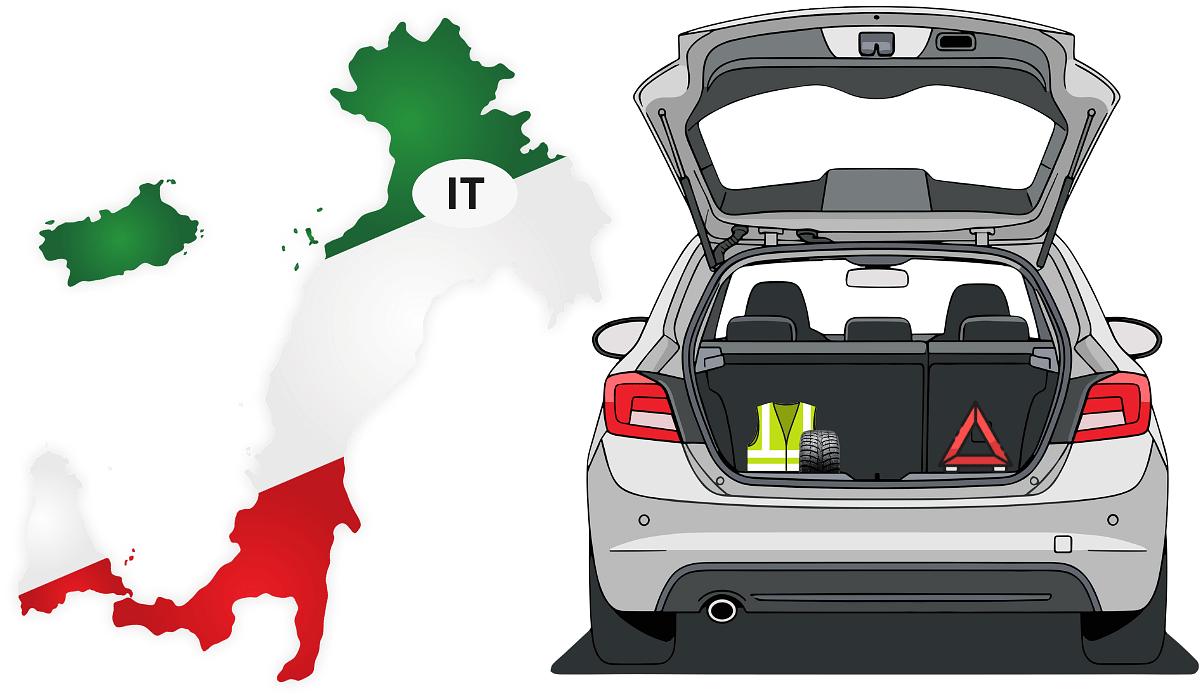
Mandatory Vehicle Equipment | Italy 2026
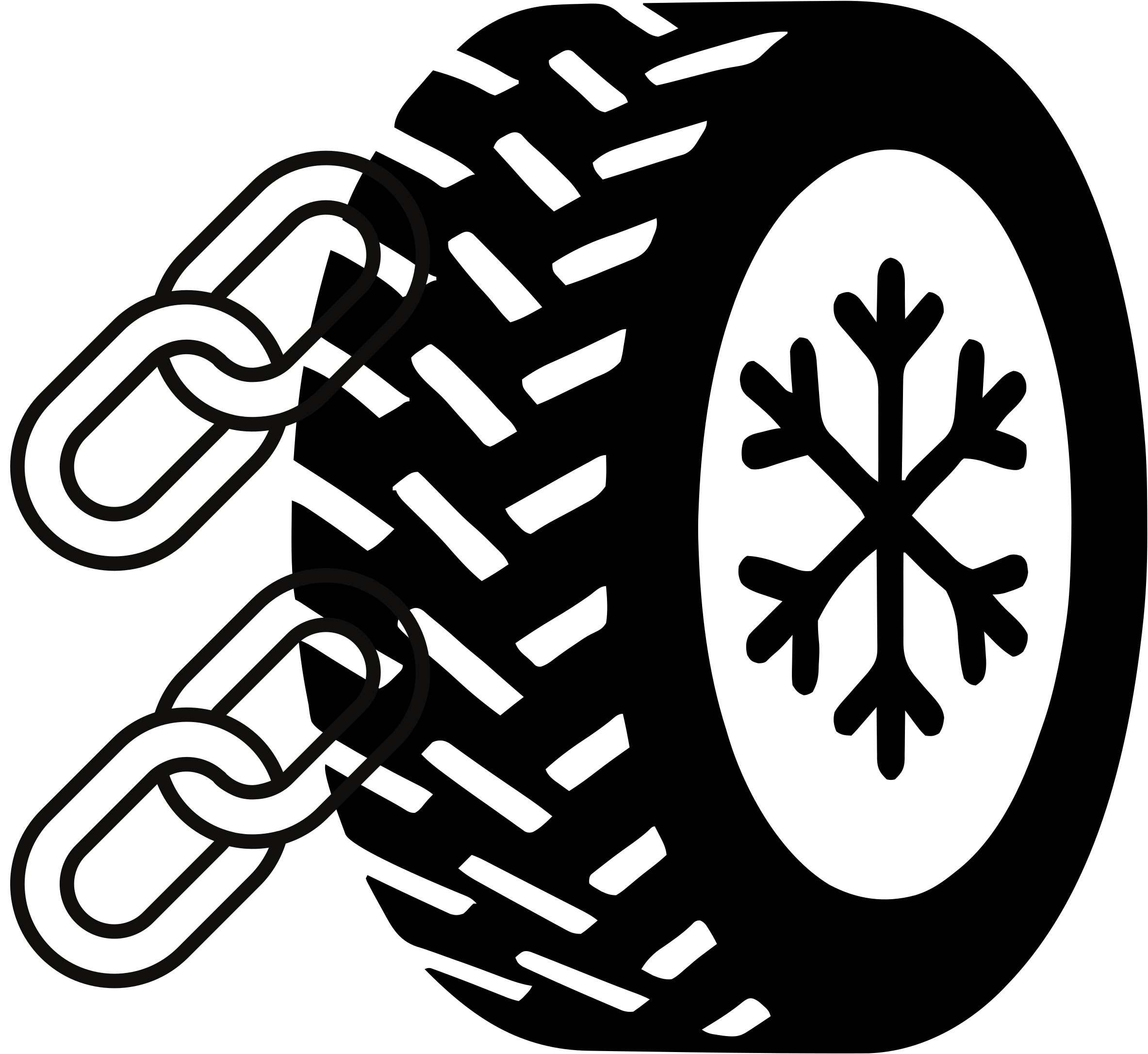
Snow chains or winter tires
(15 Nov–15 Apr)
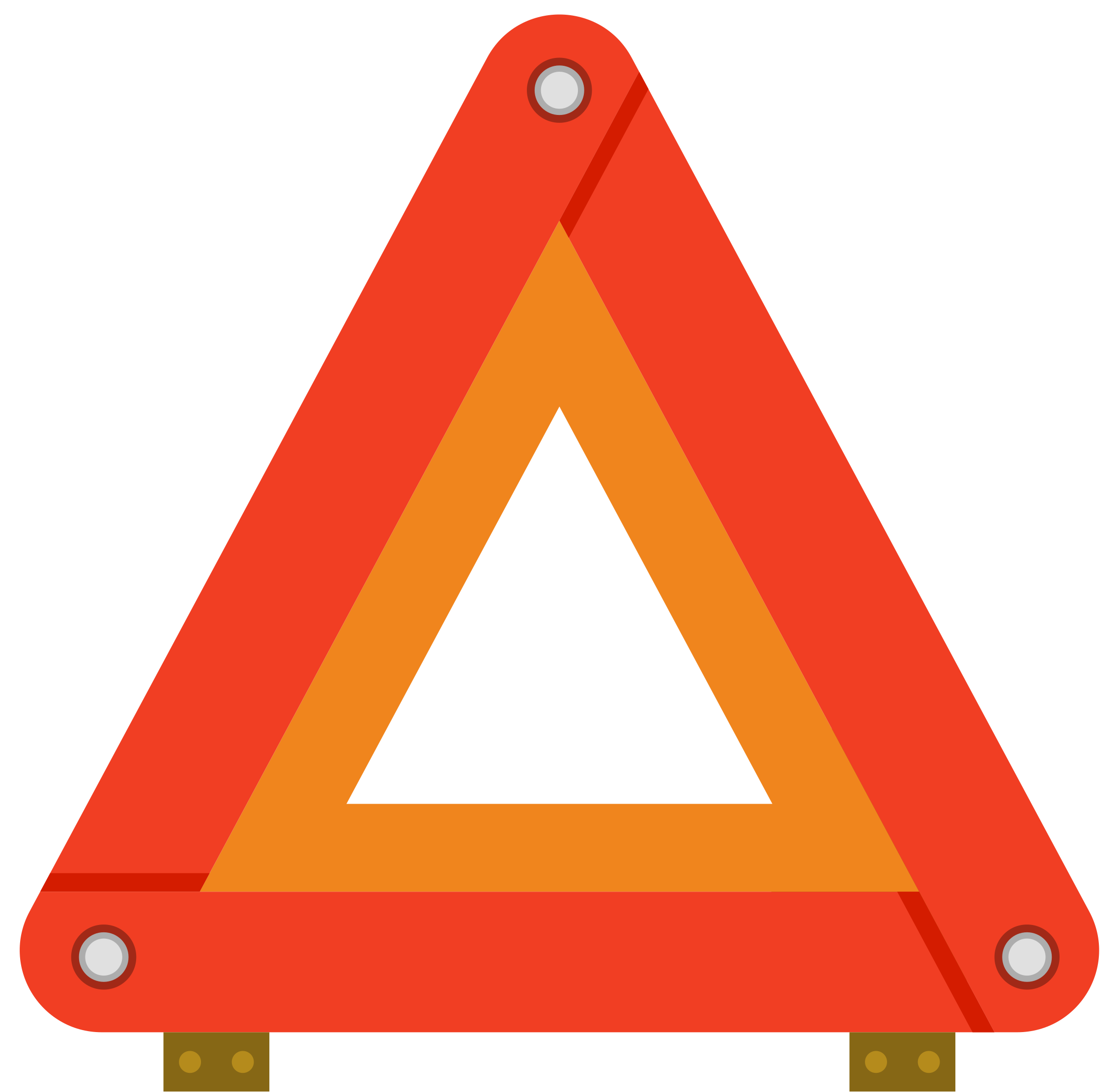
Warning triangle
(type-approved)
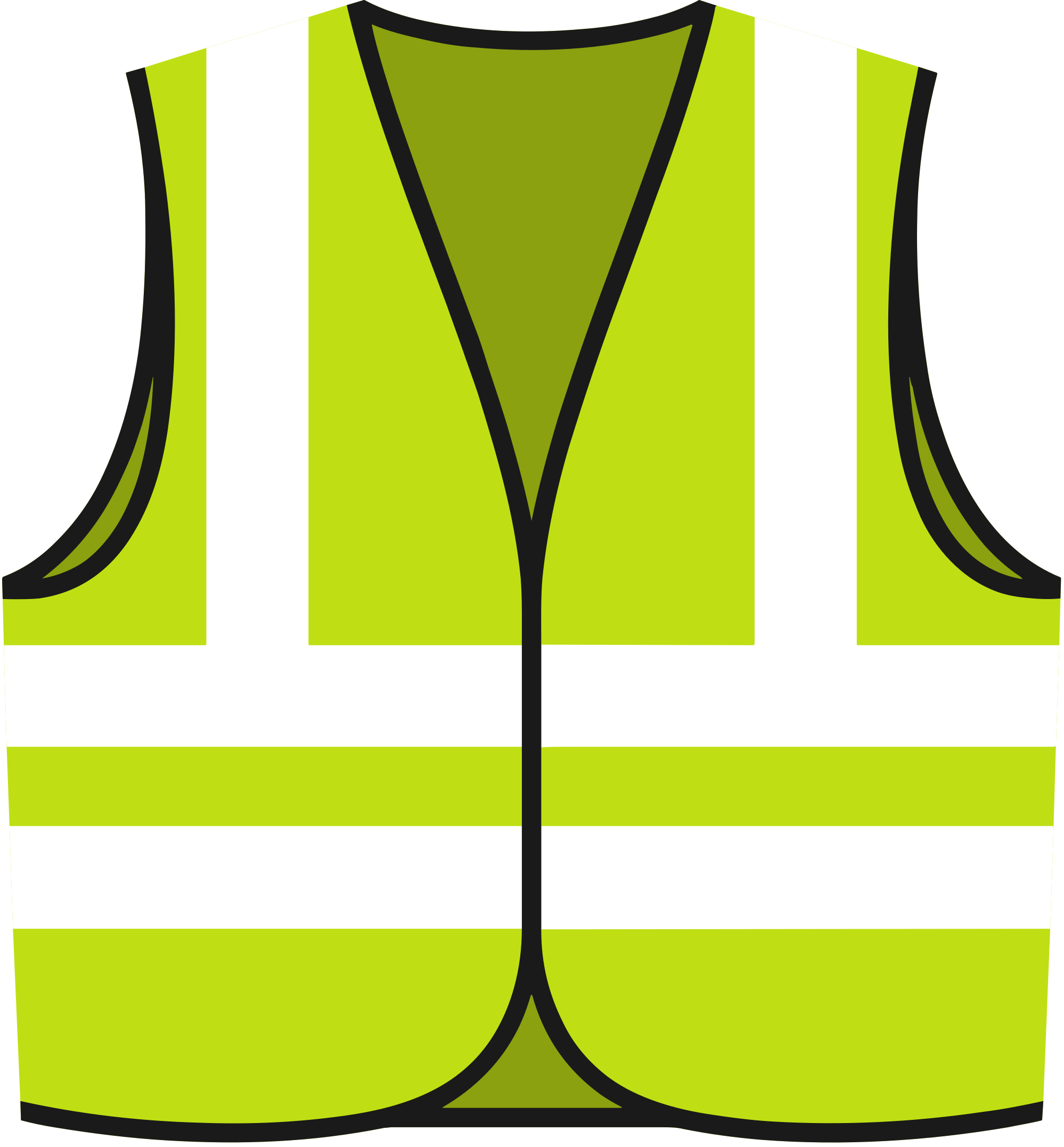
Reflective vest
(yellow, red, or orange with CE mark)
Motorcycles in Italy What is required for riders?
Helmet required (EU-approved). No other equipment required by law. Recommended: gloves, jacket, boots, trousers.
High-vis Vest in Italy What standards must the vest meet?
Must be CE-marked and meet EN 471 or EN 20471 standard. Vest or braces format accepted.
Child Transport in Italy When and how must child seats be used?
- Children under 150 cm must use a car seat with EU approval (ECE R44/04 or R129)
- Front seat use allowed only with correct installation and disabled airbag (if rear-facing)
- Since 2020: mandatory child presence detection system for children under 4 years
Fines in Italy
Technically, not carrying a vest is not fined, but not being able to wear one in an emergency is. On average, missing equipment: up to €344. Late payment increases the amount significantly.
Recommended Equipment | Italy
- First-aid kit
- Fire extinguisher
- Spare bulbs
- Spare wheel or tyre repair kit
- Flashlight
- Basic tool kit
- Jumper cables
- Seatbelt cutter, ice scraper, emergency hammer
Note
Spare bulbs not mandatory, but highly recommended — especially for non-LED systems.
Mandatory Documents | Italy
- Passport or ID
- Driving licence
- Registration certificate
- Proof of third-party insurance (OC)
- CAI accident report form (recommended)
- Rental authorisation if applicable
Tip
Use the CAI (Constatazione Amichevole di Incidente) form to simplify insurance claims after a crash.
Key Traffic Rules | Italy
- Motorway speed: max 130 km/h
- Dipped headlights required outside urban areas and in tunnels, even during the day
- Hands-free only for phone use
- Alcohol limit: 0.5‰
- Winter tyres or snow chains mandatory 15 Nov–15 Apr
- Radar detectors and jammers are prohibited
- GPS with fixed camera alerts is allowed
- Flashing headlights to warn others is punishable (rarely enforced)
ZTL Zones in Italy (Limited Traffic Areas)
Limited traffic zones (ZTL) exist in many cities. Entering without a permit = automatic fine.
If you’re planning to drive into Italian cities, it’s important to understand how ZTL zones (Zona a Traffico Limitato) work.
These limited traffic areas are typically found in historic city centres and are designed to reduce congestion and pollution. Entry is restricted to authorised vehicles such as residents, delivery services, or those with special permits.
Crucially, ZTL zones are enforced by cameras, and entering without permission almost always results in an automatic fine, often ranging from €80 to €300.
If you’re driving a hire car, the fine is usually passed along with an additional administrative fee from the rental company.
ZTL areas are marked with a white circular sign bordered in red, accompanied by a panel indicating the active hours and vehicle categories that are restricted. Some zones operate 24/7, while others are active only during daytime or peak hours.
Tip
If you’re staying at a hotel within a ZTL, it’s essential to inform the hotel staff in advance. In many cases, they can provide your number plate to local authorities to ensure you’re not fined.ZTL Zones LocationsWhere are the italian ZTL's active?
ZTLs are active in nearly every major Italian city, including:
- Rome,
- Florence,
- Milan,
- Bologna,
- Palermo,
- Pisa,
- Siena.
Each city applies its own rules and may have sub-zones with different restrictions. For example, Milan combines ZTL access control with an urban congestion charge, known as Area C. Florence operates one of the most complex ZTL systems, with various zones and time schedules that often change depending on the day of the week.
ZTL zones in ItalyTips & Tricks
To avoid fines while driving in Italy, consider the following:
- Always check your planned route against official ZTL maps or local guidance.
- Park outside restricted areas and use public transport when possible.
- If you’re unsure whether you entered a ZTL, consult your hotel or local police.
Remember:
ZTL fines are rarely revoked and may be enforced internationally. If you receive one, do not ignore it — delays in payment can lead to increased penalties or debt collection. In short, unless you’re certain you’re allowed to enter, treat every ZTL sign as a firm warning to turn back.
Italy by car | Summary
Italy requires a triangle, vest, and seasonal winter gear (chains or tyres). Bring EU-compliant child seats, all documents, and beware of high fines. No vignette is needed in Italy, but you’ll need one for Austria or Slovenia en route.
Have a safe journey!
More Insights

Driving in Switzerland – Vehicle Equipment & Documents
What car equipment is mandatory in Switzerland in 2026? Warning triangle, child seats, winter gear, speed limits, customs control and fines.
Read more →
Road Tolls Italy – Driver’s Guide 2026
Road Tolls Italy – a complete guide on how to pay motorway tolls and digital e-vignettes in Italy, updated for 2026.
Read more →
Driving in Slovenia 2026 – Vehicle Equipment & Documents
What equipment and documents are mandatory in Slovenia in 2026? First-aid kit, triangle, vest, winter tyres, speed limits and alcohol limits explained.
Read more →