






By Camper Through France | Guide 2026
France is the absolute "Holy Grail" for caravanning enthusiasts. Before you set off, make sure you understand road tolls in France — motorways are toll-based and divided into vehicle classes. The country has the best-developed camper infrastructure in Europe — thousands of free Aires de Services, the France Passion programme with overnight stays at farms and wineries, and some of the most beautiful scenic routes on the continent. In this guide you'll find everything you need before hitting the road.
By Camper Through France | Essential Information
Before setting off by motorhome to France, you need to know three key things: your vehicle's classification at motorway toll booths (the Péage system), the obligation to carry a Crit'Air sticker, and the mandatory vehicle equipment.
How do road tolls work in France (péage)?
The French motorway system (Autoroutes) is based on toll booths called péage. Tolls are not charged in the form of a vignette — you pay for each motorway section separately, directly at the booth. You can pay by card, cash or via the Liber-t system (a transponder mounted on the windscreen).
For motorhomes, the correct vehicle classification is absolutely critical — it determines the toll amount:
- Class 1 – vehicles up to 3.5 t and up to 2 m in height (small vans, e.g. VW California),
- Class 2 – vehicles up to 3.5 t and between 2 m and 3 m in height (standard semi-integrated and alcove motorhomes),
- Class 3 – vehicles over 3.5 t or over 3 m in height (large fully integrated motorhomes).
Important tip at the toll booth
Automatic systems sometimes incorrectly classify Class 2 motorhomes as Class 3 (due to roof antennas or air conditioning). Always check the display before paying. If you see "Classe 3" — use the intercom button and say: "Camping-car, classe deux, s'il vous plaît".
What is Crit'Air and who needs it?
France rigorously enforces Low Emission Zones (ZFE — Zones à Faibles Émissions). To enter the city centres of many French cities (Paris, Lyon, Marseille, Bordeaux, Grenoble and others), you must have a Crit'Air sticker affixed to your windscreen. Its colour (from 0 to 5) depends on the emission standard of your motorhome's engine.
The sticker can only be ordered from the official government website — the cost is around 4.70 € including delivery: certificat-air.gouv.fr
Warning
Entering a ZFE zone without a valid Crit'Air sticker carries a fine of 68 € (light vehicles) to 135 € (heavy vehicles). ZFE zones apply regardless of time of day or season.
What do you need to have when travelling by motorhome to France?
In addition to the standard documents (driving licence, vehicle registration, third-party insurance, EHIC), France requires mandatory equipment:
- a reflective vest for the driver (stored in the cab, not in the boot),
- a warning triangle,
- a single-use breathalyser (though there is no fine for not having one — it is good practice),
- a Crit'Air sticker on the windscreen (mandatory in ZFE zones).
"Angles Morts" stickers for motorhomes over 3.5 t
If your motorhome has a GVW above 3.5 t, you must display blind spot warning stickers (3 pieces: on each side and at the rear). Absence of the stickers carries a fine of around 135 €.
More details: France by car »
Order an on-board device online!
Click the button below to order the maut1 on-board device for toll payments on French motorways. Automatic toll payments and access to fast lanes. For vehicles up to 3.5 tonnes.
Order maut1By Camper Through France | Map of Toll Roads, Bridges and Tunnels
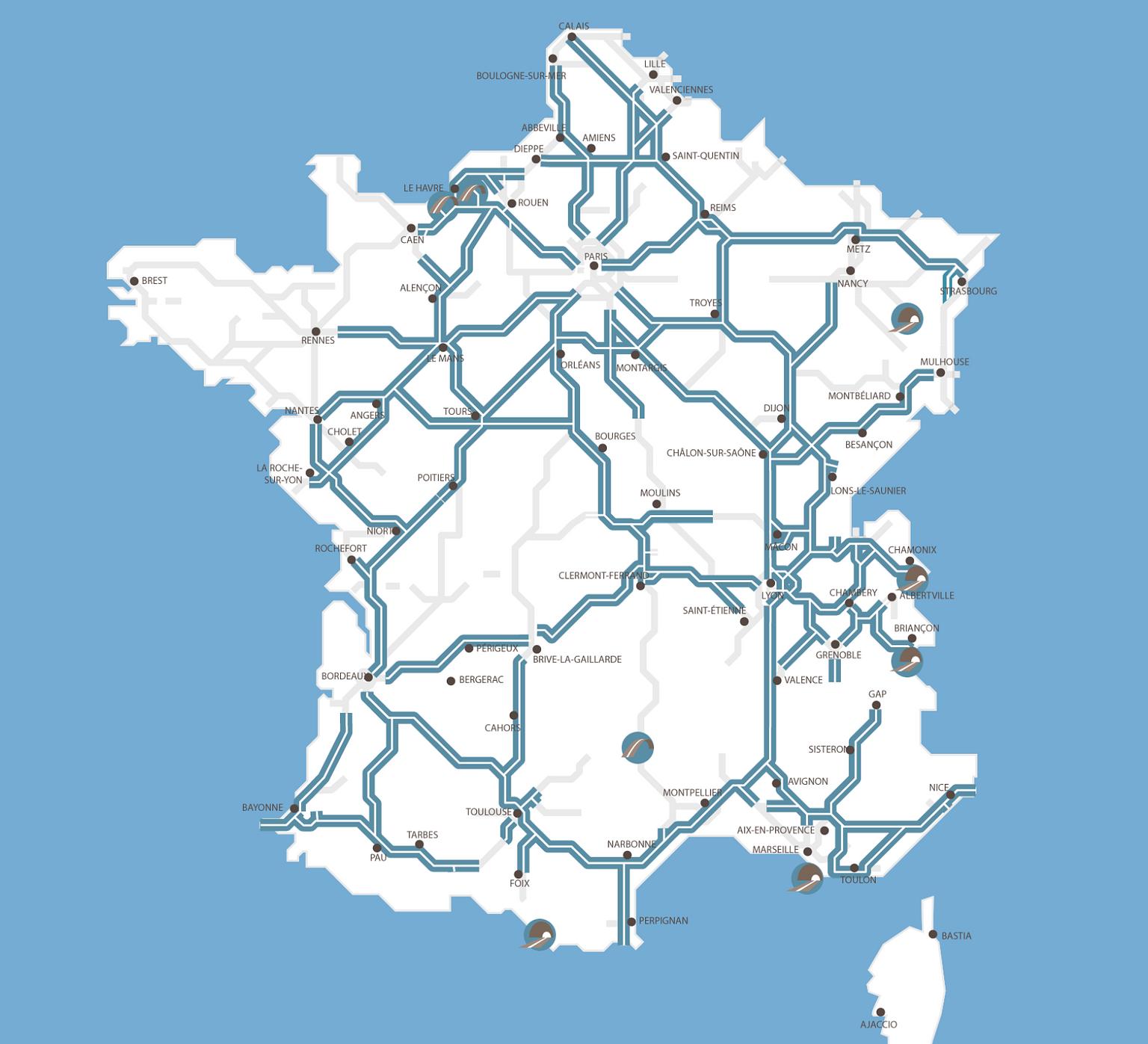
Below you'll find an overview of the most important and most expensive toll points on camper routes in France (estimated prices 2026, Class 2):
| Structure | Location | Toll (Class 2, one direction) |
|---|---|---|
| Millau Viaduct | A75, Occitania region | 12–16 € (depends on season) |
| Normandy Bridge (Pont de Normandie) | Le Havre | 5–7 € |
| Mont Blanc Tunnel | Chamonix – Courmayeur (IT) | 55–70 € |
| Fréjus Tunnel | Modane – Bardonecchia (IT) | 55–70 € |
| Motorways (Paris–Lyon route) | A6/A7 (Autoroute du Soleil) | ~35–45 € one way |
By Camper Through France | Where to Go by Motorhome in France?
France offers an extraordinary variety of landscapes — from wild Atlantic coastlines, through alpine passes, to the lavender fields of Provence. Each of the regions below offers a different style of motorhome travel.
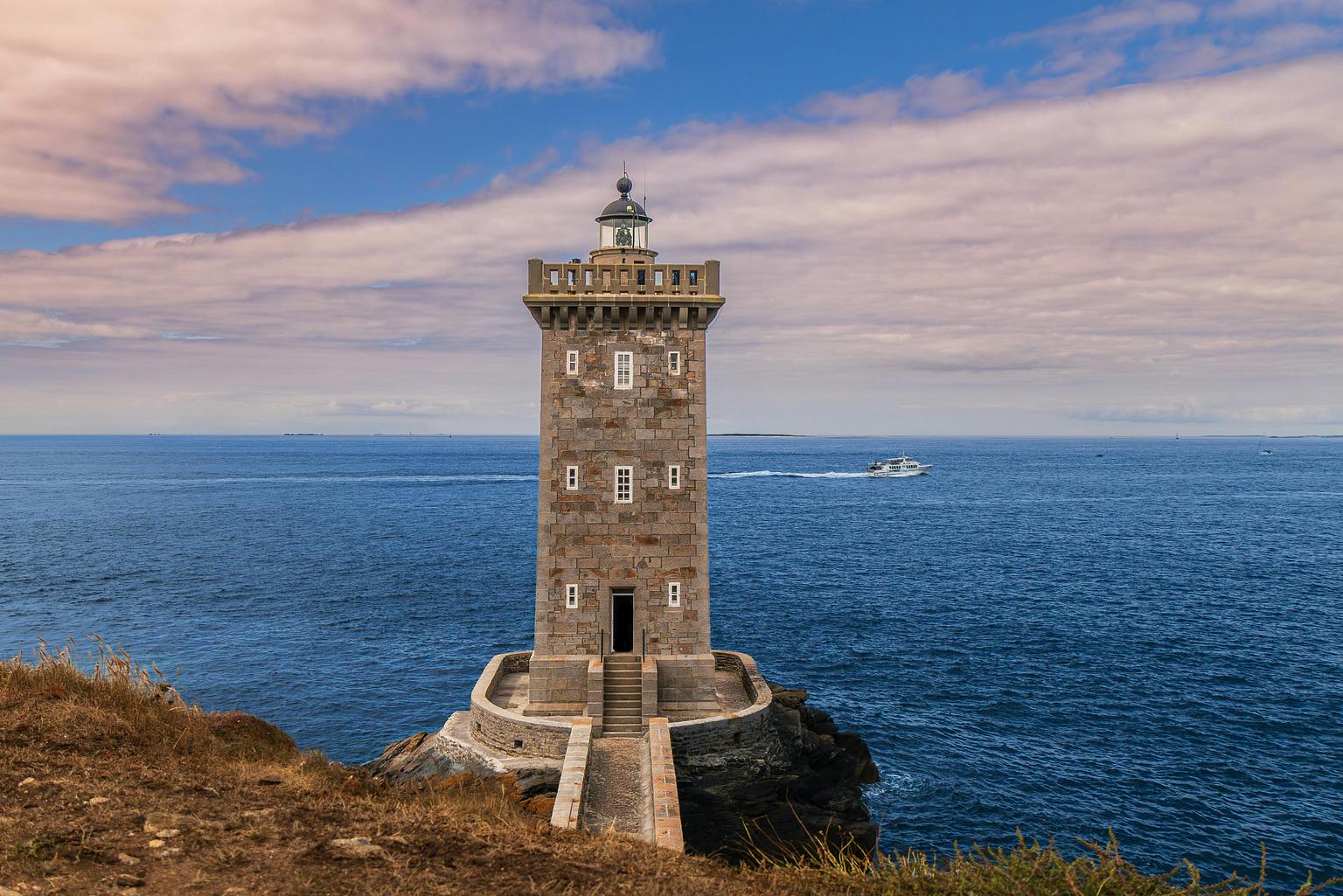
Brittany – Camping des Abers
A campsite on the Crozon Peninsula, right on the Atlantic — with views of cliffs and lighthouses. Brittany has the largest number of free Aires de Services in France. Fresh seafood, granite and wild coastline are the hallmarks of the region. Price per night around 18–28 €.
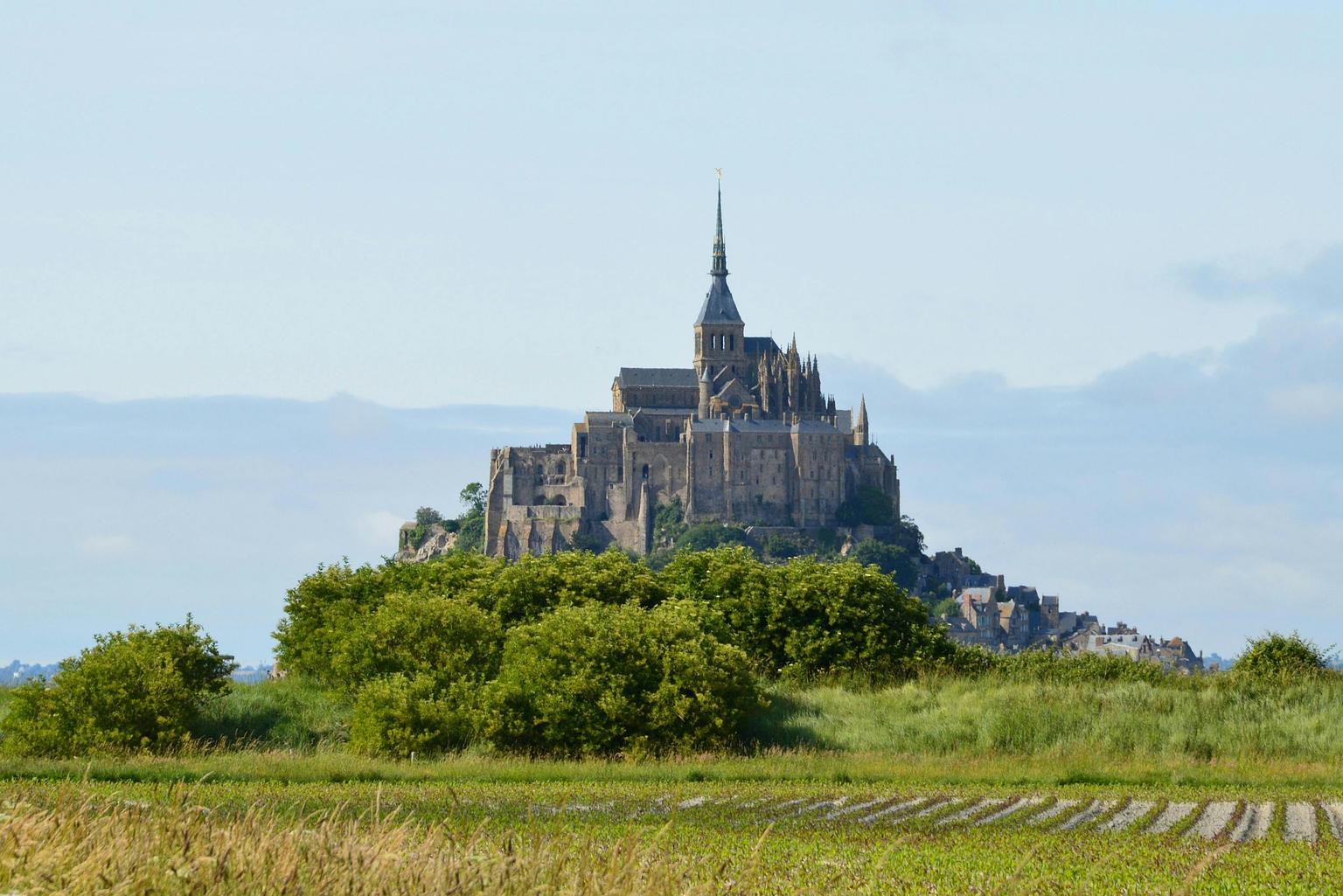
Normandy – Camping du Mont Saint-Michel
A campsite with a view of the iconic Mont Saint-Michel abbey — one of the most recognisable sights in France. A wide choice of pitches with electricity and water. An excellent base for visiting the D-Day beaches and the Bayeux Tapestry. Cost per night around 25–38 €.
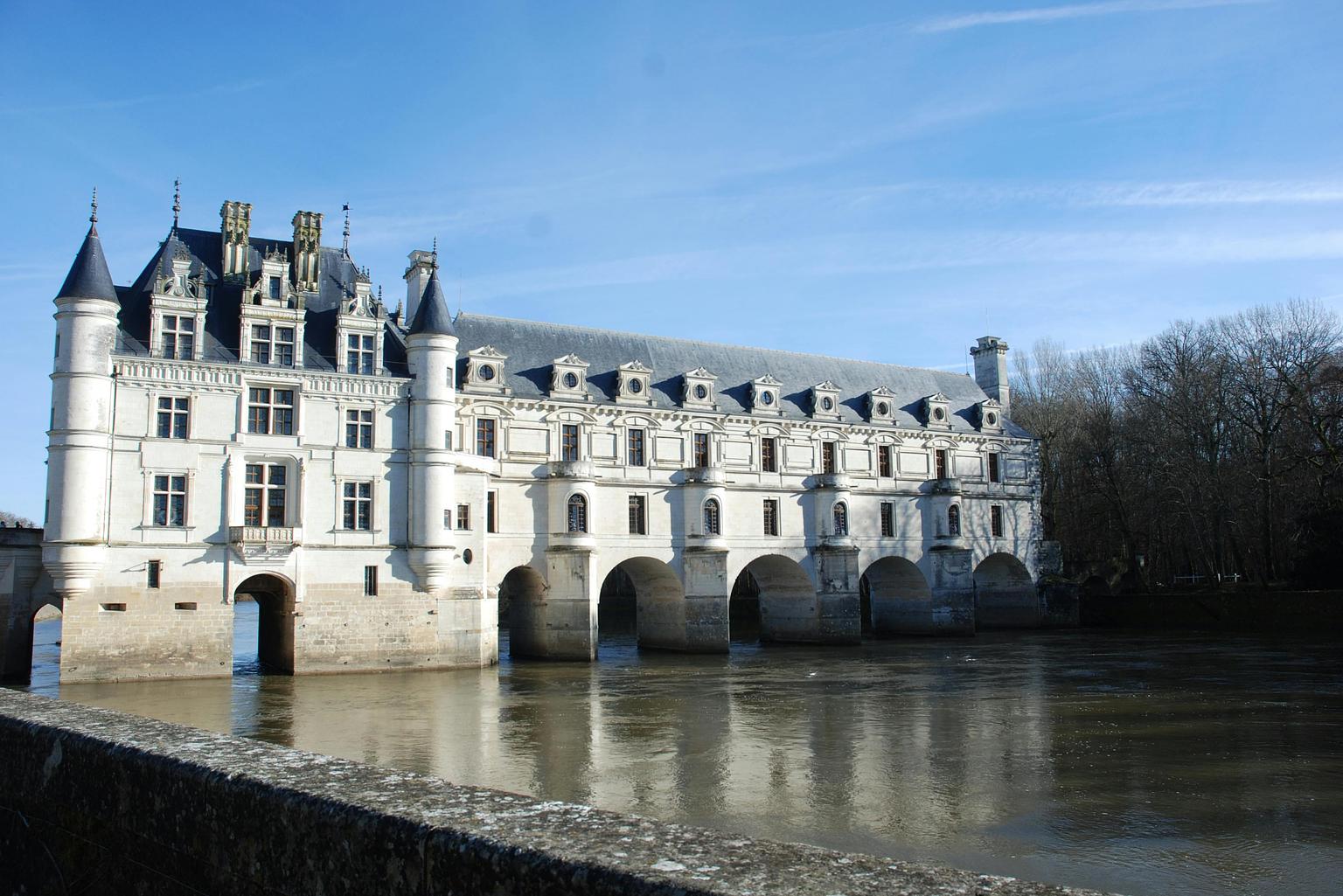
Loire Valley – Camping de l'Orangerie de Beauregard
An exclusive campsite beside Château Beauregard, in the heart of the UNESCO-listed Loire Valley. Over 300 royal castles within an hour's drive. Flat terrain ideal for large motorhomes, swimming pool, entertainment and an on-site restaurant. Price around 30–45 € per night.
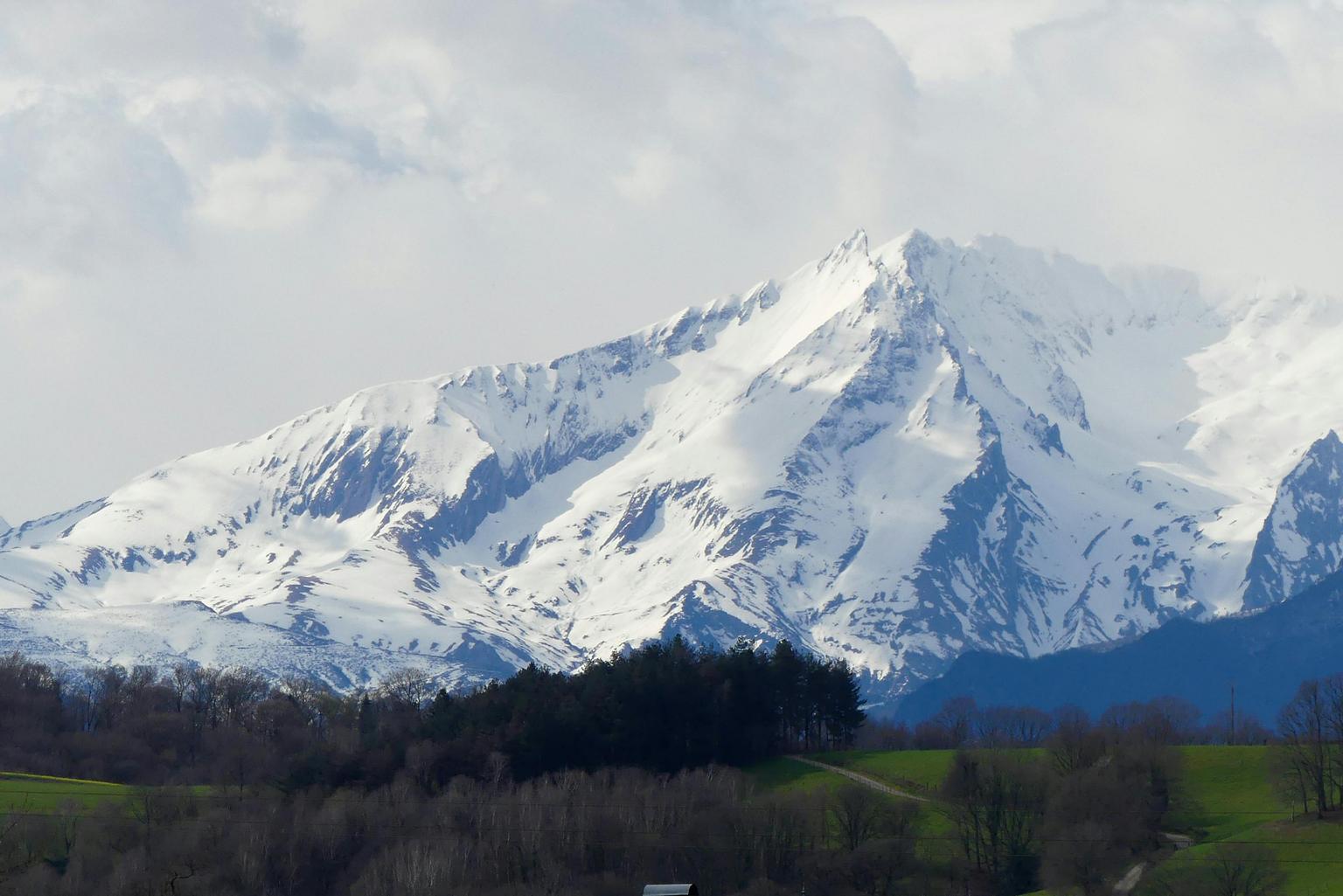
French Alps – Camping Le Clos du Lac (Chamonix)
A campsite in the Chamonix valley at the foot of Mont Blanc. Spectacular views of the highest peak in Europe, the Aiguille du Midi cable car right next door. Season July–September, when Col de l'Iseran and Col du Galibier are also accessible. Price per night around 28–42 €.

Provence – Camping Gorges du Verdon (Castellane)
A campsite at the entrance to the Gorges du Verdon — Europe's deepest canyon. Lavender fields, Roman aqueducts and the turquoise waters of the Verdon River are the quintessence of Provence. Note: roads into the canyon can be narrow. Price per night around 20–32 €.
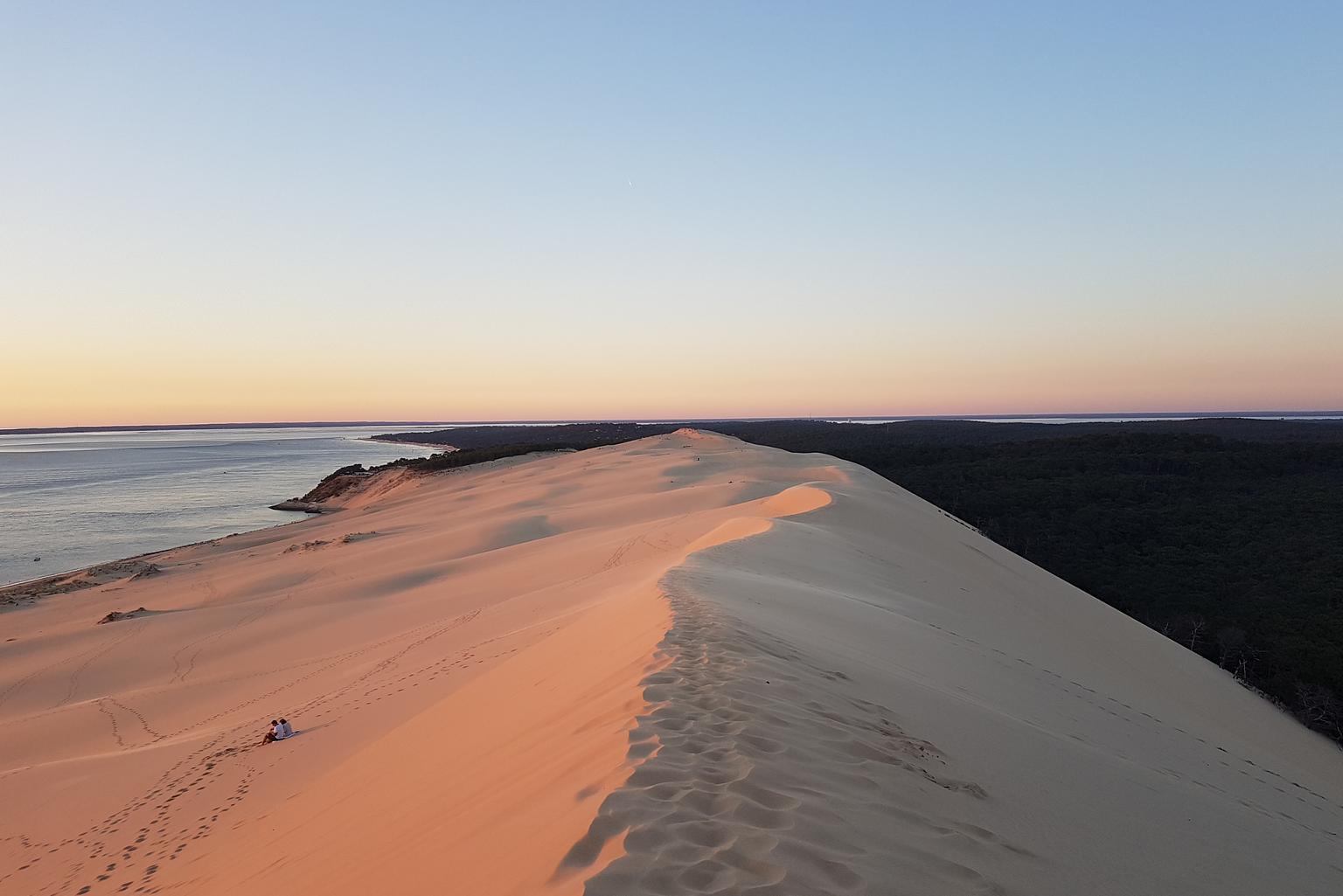
Aquitaine – Camping de la Dune (Pyla-sur-Mer)
A campsite in a pine forest right beside the Dune du Pilat — the highest sand dune in Europe. Direct access to the Atlantic, a paradise for surfers and families with children. A vast, forested campsite with full facilities. Cost per night around 22–35 €.
By Camper Through France | Where to Best Overnight in France?
France offers the richest network of motorhome overnight options in Europe — from completely free stopping places, through automated car parks, to stays at farmers' and winegrowers' properties. Each option suits a different travel style.
Aires de Services
Special motorhome car parks available in almost every French municipality. Often completely free or costing 8–15 € per night. Usually offering electricity, water and toilet service. A token (jeton) for 100 litres of water can be purchased at the local bakery or town hall for around 2 €.
Camping-Car Park
The largest network of paid, automated motorhome car parks in Europe. It is worth getting their Pass'Etapes card before departure — it simplifies payments and gives access to additional discounts.
France Passion (overnight stays with farmers)
A programme allowing free overnight stays with over 2,000 French farmers, winegrowers and orchard owners. You purchase an annual programme sticker, and in return only a purchase of a local product is expected (a bottle of wine, cheese, honey). A unique experience of authentic France.
Campsites (Campings)
Extensive facilities ranging from campings municipaux (municipal, the cheapest) to luxury resorts with a pool and entertainment. Classification from 1 to 5 stars. During the summer season, advance booking is essential at popular locations.
Can you sleep in a motorhome in France on the wild?
In France a distinction is made between parking and camping. Wild camping is officially prohibited on the coast, in national parks and within 500 m of listed monuments.
Inland, sleeping in a motorhome is often tolerated, provided you do not put out an awning, chairs or grey water (the so-called autonome mode — the vehicle remains "self-sufficient"). A single discreet overnight stop on a quiet road in an undeveloped area rarely results in a fine.
Important
Watch out for height-restricting barriers at beach car parks and at many coastal Aires — the limit is often only 2 m or 2.5 m. Check the height of your motorhome before entering.
How Much Do Campsites in France Cost in 2026?
Campsite prices in France vary depending on the region, season and standard. It is cheapest in spring and autumn, most expensive in July and August — particularly in the south and on the Atlantic coast.
| Standard | Price per night (€) |
|---|---|
| Aire de Services (motorhome stopping place) | 0–15 € |
| Camping municipal (1–2 stars) – basic facilities | 15–25 € |
| Standard camping (3 stars) – electricity, showers, playground, Wi-Fi | 25–40 € |
| Premium camping (4–5 stars) – pool, restaurant, entertainment | 40–70 € |
| France Passion (overnight stay at a farm / winery) | 0 € (purchase of a product) |
By Camper Through France | Motorhome Parking in France and Golden Rules
The rules for parking a motorhome in France depend mainly on the location and whether you simply plan to stop the vehicle or set up camp.
Where can and cannot you park a motorhome in France?
Motorhome parking is permitted:
- at Aires de Services and Camping-Car Park — dedicated, legal motorhome spots,
- in public car parks without prohibition signs — a motorhome is treated like any other vehicle,
- at campsites and France Passion farms,
- at many tourist attractions where municipalities have specially marked motorhome zones.
Motorhome parking is not permitted or is restricted:
- in national parks and nature reserves,
- on beaches and dunes — especially during the season,
- in ZFE city centre zones without a valid Crit'Air sticker,
- on private land without the owner's permission.
Where to refuel without overpaying?
Avoid refuelling at motorway service stations — the price difference can reach 30 euro cents per litre compared with stations on national roads.
The cheapest fuel is at large supermarkets and hypermarkets, especially at the chains: Leclerc, Carrefour and Intermarché.
What about gas? France has a different connector!
France uses LPG/propane cylinders with a different connector than in most other European countries. Bring an adapter from home, or buy a "Le Cube" cylinder (Butagaz or Primagaz) at any French supermarket.
Motorways or national roads?
French national roads (marked D or N) are of excellent quality and free of charge. By avoiding toll motorways and choosing national routes, you can save 200–400 € over the entire trip, and along the way you'll see far more of authentic France.
Which app should you take to France?
Park4Night (the Pro version works offline) is the absolute standard among caravanners in Europe. In France you'll find tens of thousands of locations — free and paid Aires, campsites, wild spots, Flot Bleu and Euro-Relais service points, France Passion locations. Download offline maps before you leave — in France there can be many kilometres without mobile coverage.
By Camper Through FranceSummary
France is one of the best countries in Europe for motorhome travel — a dense network of Aires de Services (many free of charge), the France Passion programme, excellent national roads and an unmatched diversity of landscapes from Brittany to the Alps.
Key things to remember: determine your motorhome's class before the first péage (Class 1, 2 or 3) and don't let yourself be misclassified. Order your Crit'Air sticker in advance — without it you cannot enter the city centres of Paris, Lyon or Marseille. Refuel at supermarkets (Leclerc, Carrefour), not on motorways. Install Park4Night with offline maps. And don't be afraid of national roads — France rewards those who slow down.


