













Travel guide
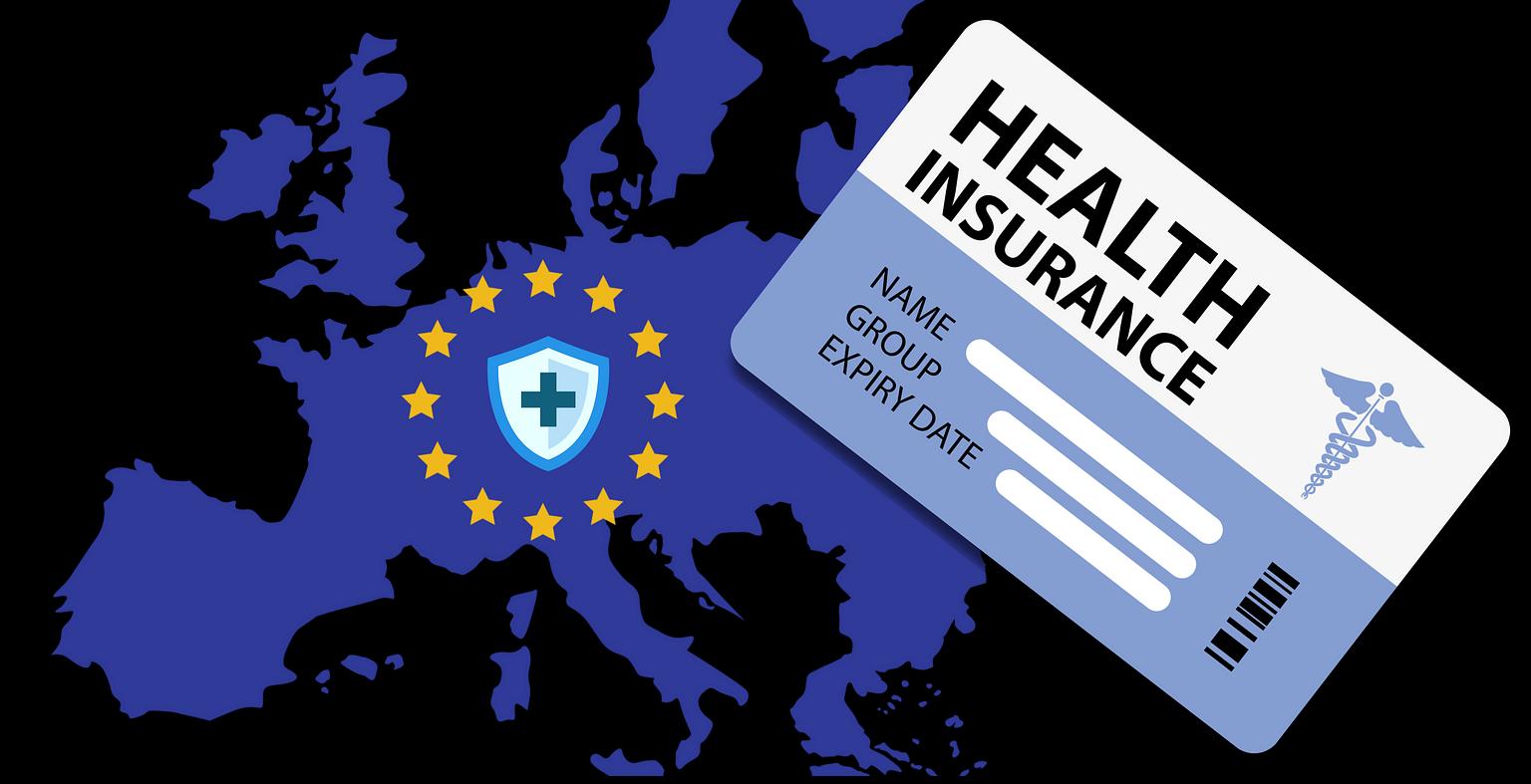
Travelling abroad? Find travel insurance and assistance before you go
Most people plan the route, accommodation and tolls, and leave insurance for later. It is worth taking a few minutes to choose a provider before you leave – cover decides whether a sprained ankle ends with a short doctor’s visit or a bill in the thousands of euros.
- Medical costs
- Help on the road
- A safer travel budget
What to look for
Two kinds of protection worth having abroad
Travel insurance typically covers the costs. Assistance typically helps with the organisation when something goes wrong on the way. Together they make an unexpected situation much easier to handle.
Travel insurance
Financial protection against unexpected costs abroad, related to your health and safety. It is most often needed in ordinary situations: a sprain, a prescription, a trip to the clinic. Policies usually include:
- Medical costs: visits, tests, hospital, medicines
- Medical transport and repatriation to your home country
- Third-party liability – hotel, slope, car park
- Personal accident and luggage cover
- Extensions: skiing, diving, chronic conditions

Short-term assistance
Practical, organisational help during your trip. Instead of finding a doctor, a translator or a tow on your own in a foreign country, you get guidance on what to do and where to go. Assistance usually includes:
- A helpline to call when something happens
- Finding a doctor, translator or medical facility
- Organising transport on site
- Guidance on settling bills
Why it pays off
Ordinary situations, unusual bills
Indicative amounts – they depend on the country, the facility and the treatment needed. The most common claims are not accidents but infections, allergies and stomach problems.
A cold or allergy in Western Europe. Outside the EU often 150–300 EUR.
Emergency room, X-ray, brace and medicines. More in ski resorts.
A helicopter rescue in Austria, Slovakia or Italy.
A flooded apartment or a broken window – covered by third-party liability.
How to choose a provider
Three things to compare before you buy
Insurers present their offers differently. When comparing providers, check these three points first – and always read the general terms before you pay.
High medical cover
Choose a provider with a high sum insured for medical costs. Too low a limit means paying the difference yourself.
Medical transport
One of the most expensive items. Check that the offer covers transport to a hospital and back to your home country.
Cover for your activities
Planning skiing, snowboarding or trekking? Pick a provider that offers an extension for these activities.
Frequently asked questions | FAQ
Is it worth buying travel insurance for a trip in Europe?
Yes. Even within Europe, treatment can involve co-payments, private clinics charge in full and transport home is always on you. Your home health cover rarely follows you in full. A policy costs a fraction of the trip.
How do I find a good travel insurance provider?
Compare a few insurers before you leave. Look at the medical cover limit, medical transport, third-party liability and whether assistance is included. Choose a provider whose terms match your destination and planned activities.
What sum insured is enough?
At least 30 000 EUR of medical cover in Europe and at least 150 000 EUR outside Europe (USA, Canada). The policy should also include third-party liability and accident cover.
Can I buy a policy when I am already abroad?
Yes, but with a waiting period – cover usually starts 2–3 days after purchase.
Is a standard policy enough for skiing or diving?
No. These are high-risk sports and need a separate extension. Without it, cover will not apply in case of an accident.
Is mountain rescue free in Europe?
No. In Austria, Slovakia or Italy the tourist pays for the rescue and the helicopter – usually 5 000–10 000 EUR.
Does insurance cover a phone stolen from the beach?
No. Luggage cover only applies when belongings were supervised or locked away. Leaving them unattended counts as gross negligence.
How does a doctor abroad check my insurance?
Usually by your policy number and an ID document. Without them you pay on the spot – sometimes a lot.